WALKING
Hind, fore, hind, fore
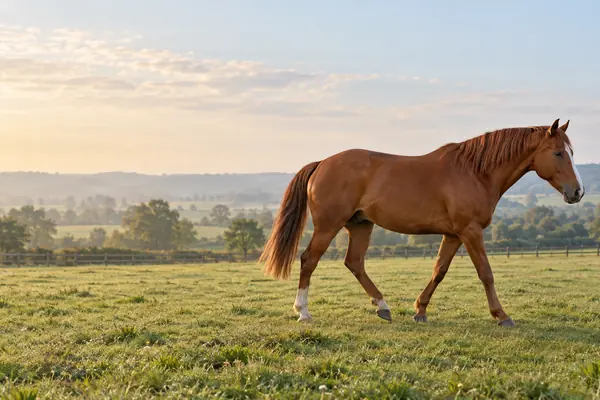
Most four-legged animals walk in the same lateral sequence: left hind, left fore, right hind, right fore. A 2012 PLOS ONE study says this order gives the body the most stability.
Compare the eras actiondoodle
WHAT THE RESEARCH FOUND
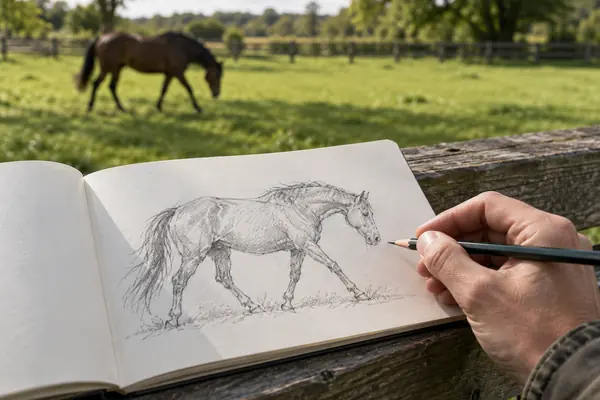
Drawing an animal on the move is harder than it looks.
Compare the eras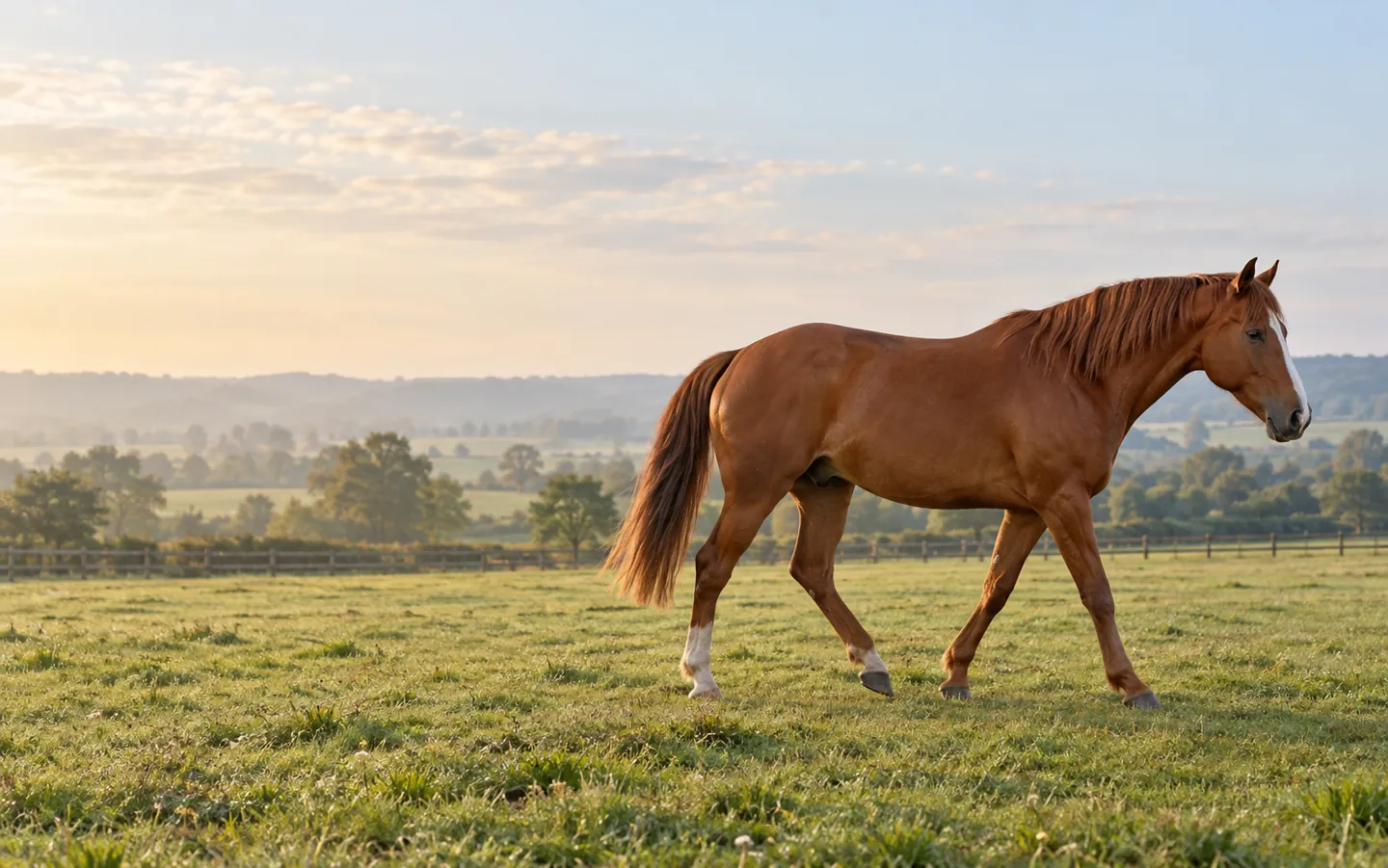
46.2%the cave painters' error rate
A walking horse moves its four legs in a set order, too fast for the eye to follow. Researchers who checked 1,000 artworks found that most artists got the order wrong, and that the oldest artists of all got it right most often.
Updated
THE SHORT ANSWER
Most leg mistakes come from guessing.
Here is what photography and later studies showed.
WALKING
Most four-legged animals walk in the same lateral sequence: left hind, left fore, right hind, right fore. A 2012 PLOS ONE study says this order gives the body the most stability.
Compare the erasDRAWING
Of artworks made after prehistory but before 1887, 83.5 per cent showed a walk with impossible legs, worse than the 73.3 per cent you would expect by pure chance.
Draw it rightGALLOPING
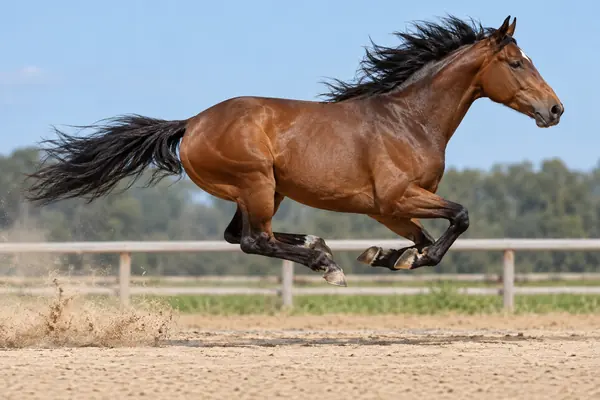
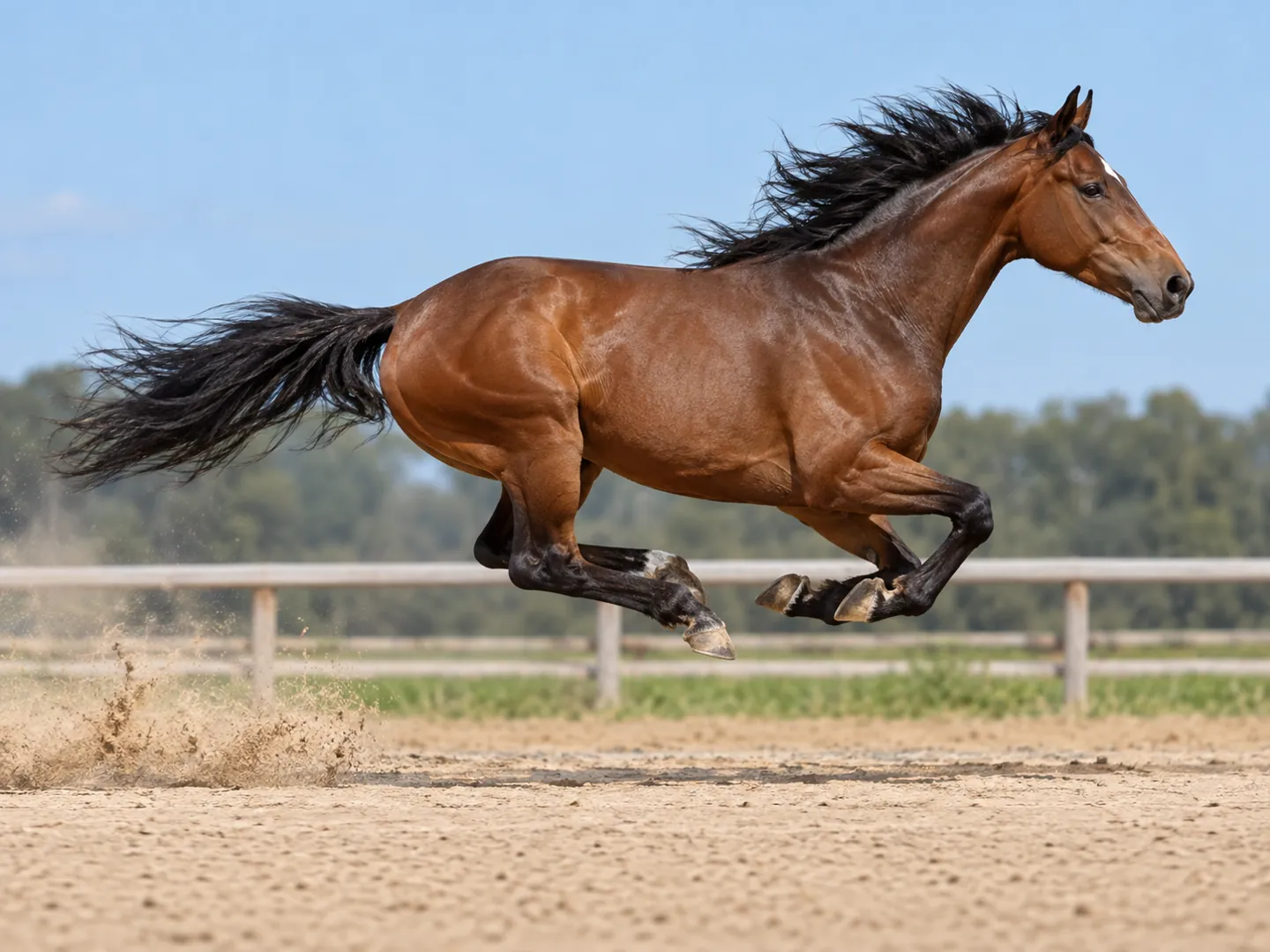
Photographs from 1878 settled whether a galloping horse ever has all four hooves off the ground. It does, but with its legs beneath the body, not stretched out front and back.
See the numbersA QUICK ERA CHECK
Pick a group of walking-animal pictures to see how often its legs were wrong. The bar shows the error rate: shorter is better.
Error rates from Horvath and colleagues, PLOS ONE 2012, who analysed 1,000 fine-art depictions of walking four-legged animals, and from earlier work they cite.
TWO NUMBERS WORTH KNOWING
One figure on how often walks were drawn wrongly,
one on the photographs that changed it.
83.5%
Walking animals drawn wrongly before 1887
Falling to 57.9 per cent after 1887, when a large study of animal movement in photographs was published. Cave art scored best of all, at 46.2 per cent.
FINE ART · PLOS ONE 2012
12 frames
Frames in one stride of a running mare
A photograph sequence made on 19 June 1878 at Palo Alto, California, with exposures 27 inches apart, showed consecutive positions during a single stride and settled the question of all four hooves leaving the ground.
THE HORSE IN MOTION · 1878
Statues and paintings did equally badly: the study found 65.5 per cent of walking horse statues and 65.1 per cent of paintings, drawings and reliefs were wrong.
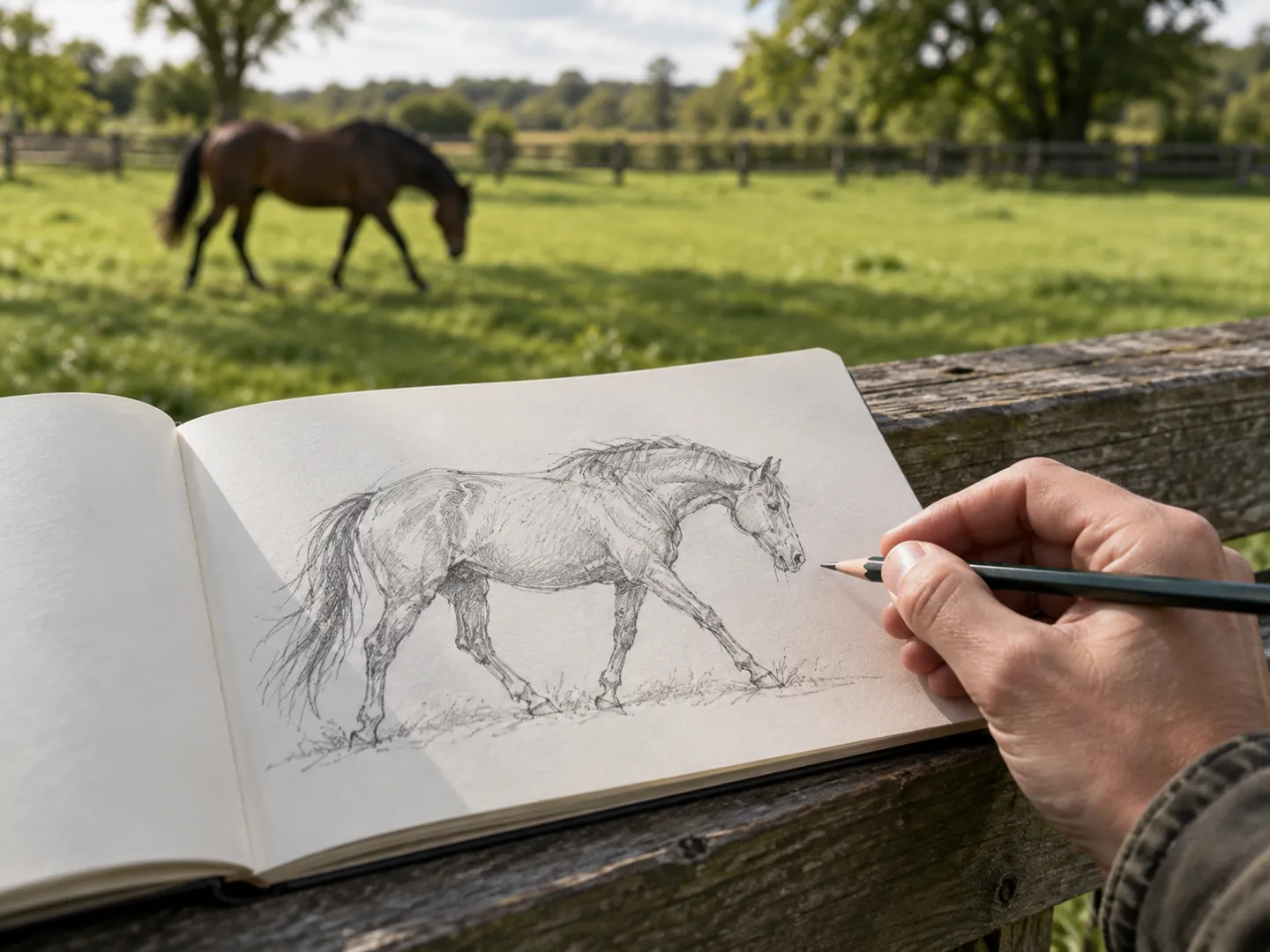
FOUR CHECKS FOR YOUR DRAWING
These checks come from how animals actually move and from the clues researchers used to tell a walk from a run in artworks.
Left hind, left fore, right hind, right fore. Check each leg in your sketch against that order before you ink it.
Even a fast-moving elephant keeps the same walking order and always has at least one foot on the ground.
In a walk the tail and mane hang nearly straight down. In a run they stream out behind.
A galloping horse is airborne with its legs gathered beneath it, just before the hind legs land, never with all four legs stretched out.
SEE IT IN BRITAIN
The photographer behind the 1878 sequence was born in Kingston upon Thames in 1830 and left his own collection to Kingston Museum in 1904, the year it was founded. It holds over 3,000 items, including more than 2,200 lantern slides and glass plates.
The museum has a permanent Muybridge gallery, and the original Zoopraxiscope, one of the first moving-image projectors, can only be seen there. The collection also holds a portfolio of Animal Locomotion from 1887, the year the study uses to mark the arrival of motion photography.
Questions
Left hind, left fore, right hind, right fore. This lateral sequence walk is used by most four-legged animals because it keeps the body most stable; some, mainly primates, use a diagonal sequence instead.
Yes. Photographs from 1878 showed that it does, but with its legs gathered beneath its body, just before the hind legs touch down, not stretched out front and back.
The study's authors suggest that for hunters, watching animals was a matter of survival, so they observed their prey closely. Their walks were wrong 46.2 per cent of the time, against 83.5 per cent for later art before 1887.
The researchers used clues such as a tail and mane hanging nearly vertical, a steep neck and an upright rider for a walk, and a streaming tail, flatter neck and fluttering coat for a run.
Kingston Museum in Kingston upon Thames holds one of the most prominent collections, including the original Zoopraxiscope and more than 2,200 lantern slides and glass plates.
ABOUT THIS NAME
actiondoodle.com is part of the DoodleSale portfolio. It isn't in an auction right now, but you can ask about leasing it.